
Solutions
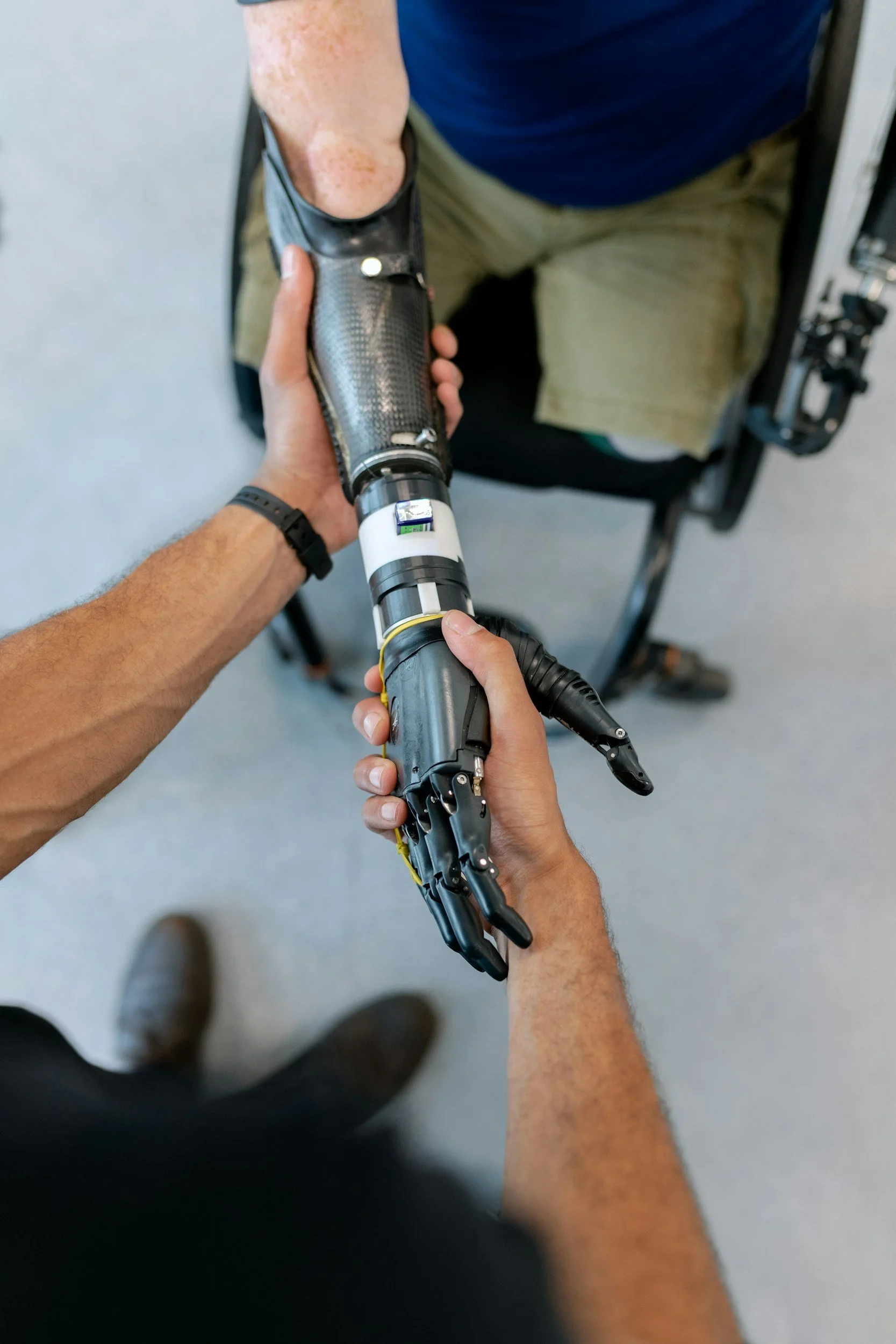
We have a problem to solve: how do you transmit a person’s weight through an amputated limb to the ground? In most cases, the anatomy wasn’t designed to do this.
Also, this must be done in a way that is comfortable to the person using the prosthesis.
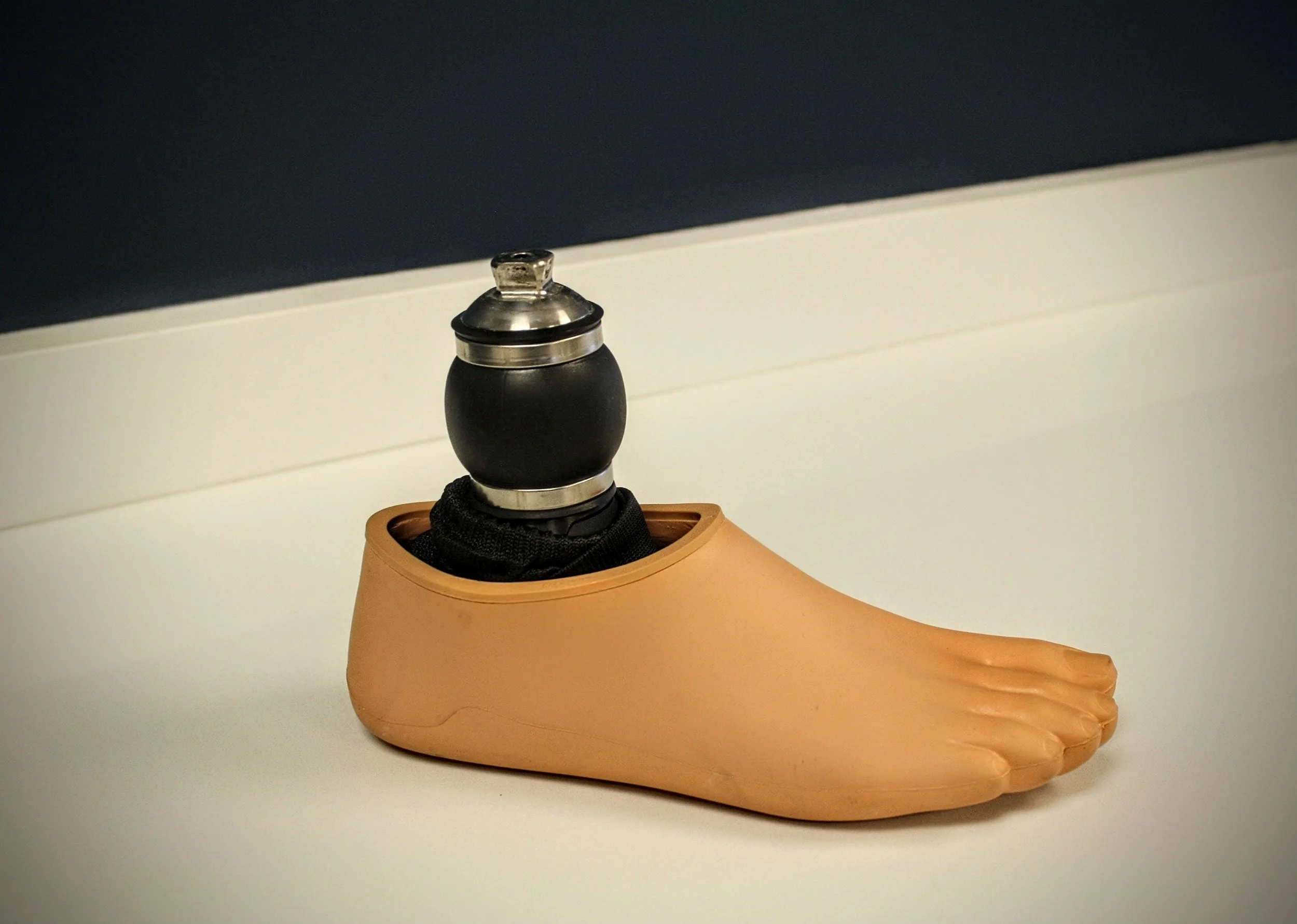
Here is what the prosthesis must do:
It must stay on.
It must be stable in all planes and phases of walking.
It must be comfortable to stand, sit, and walk with.
It must be reliable.
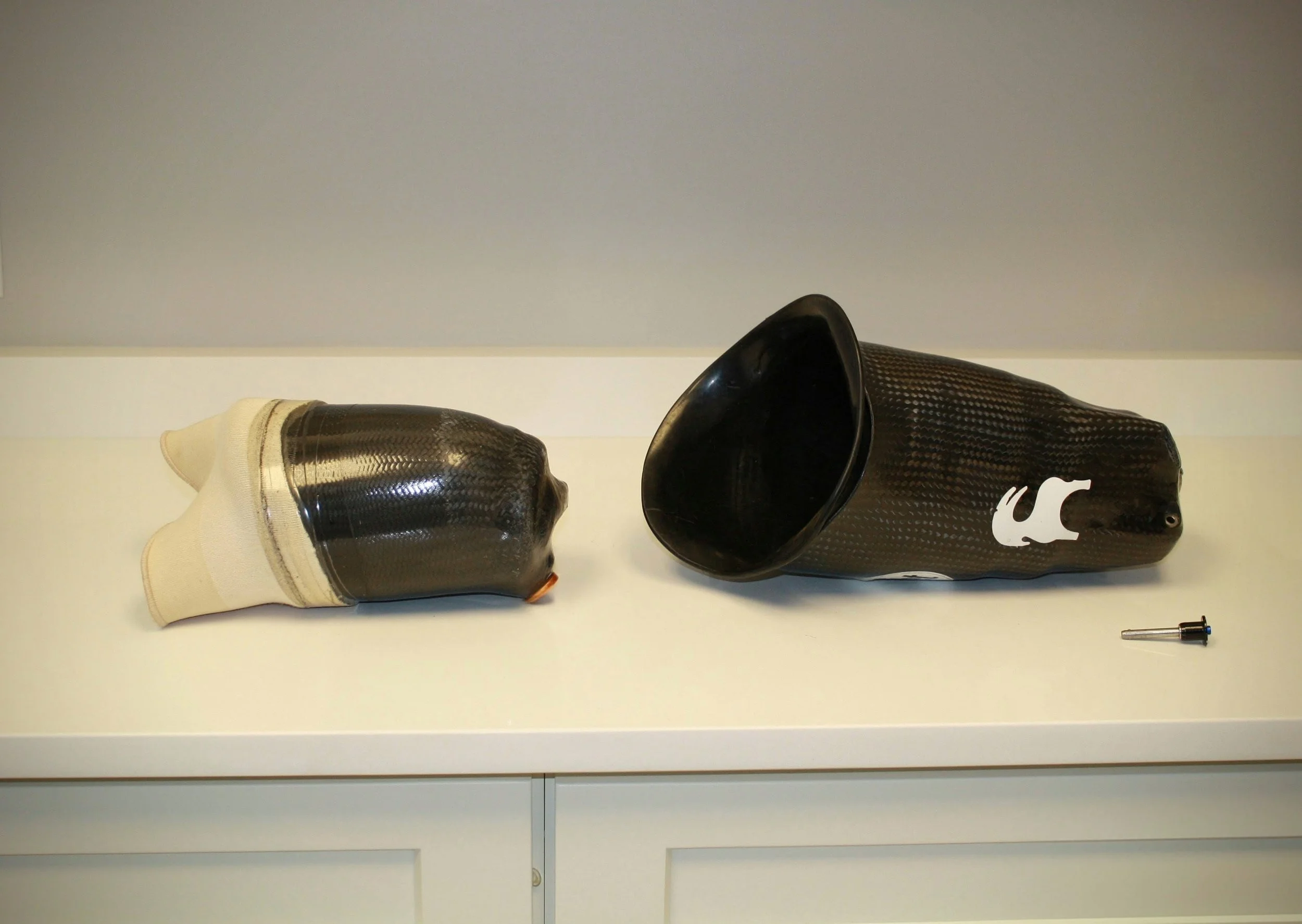
The connection between the person and the prosthesis is the socket. Handmade and thoughtfully designed.
We will create a solution that works for your needs.
What to Expect
-
Getting to know each other: Meet before the surgery and develop a plan. We collaborate with your care team.
-
Post Op Care: We meet again once you are cleared for compressive therapy (shrinkers). This happens around 6-8 weeks post op. We will review the plan and begin gathering the paperwork needed to obtain clearance from your insurance.
-
Expedited Fit Day: We see you in the morning to cast and measure then we fit you in the afternoon with a trial prosthetic socket and your components. You leave the facility ready to begin PT. PT is crucial for developing a proper gait. We will be there to support in PT sessions and ensuring the prosthesis is working correctly. We are in this together.
-
Finalize the fit of the first socket and deliver the carbon fiber socket to you. At this point you are still getting used to prosthesis and how to manage it. Your ability to wear to the prosthesis is increasing and your bag of tricks is getting bigger.
-
You are back to normal activities and are on the maintenance plan. We will see you a minimum of every 6 months, but anytime you need us we are here for you.
Some of our designs include:
-
AKA the BOA, the Click Reel, or the panel socket. The tightness of the socket can be adjusted on the fly. No stopping to add socks, just turn the dial to increase the tightness. Or loosen the dial to make it easier to put on the socket.
This is one of the best solutions to manage the size changes an amputee experiences daily.
-
Typically used for above-knee, but can be used for almost any level.
This system solves suspension like no other. We have been providing this type of suspension for twenty years now. It was one of the best tools in our bag. It connects to the amputee better than any other style of socket.
-
Who likes sitting on hard plastic all day? Why not have some give built into your socket? There are multitude of materials and designs that can be accomplished with flexible sockets.
Do you have a hot spot? Maybe a flexible socket solves that problem.
Socket Design
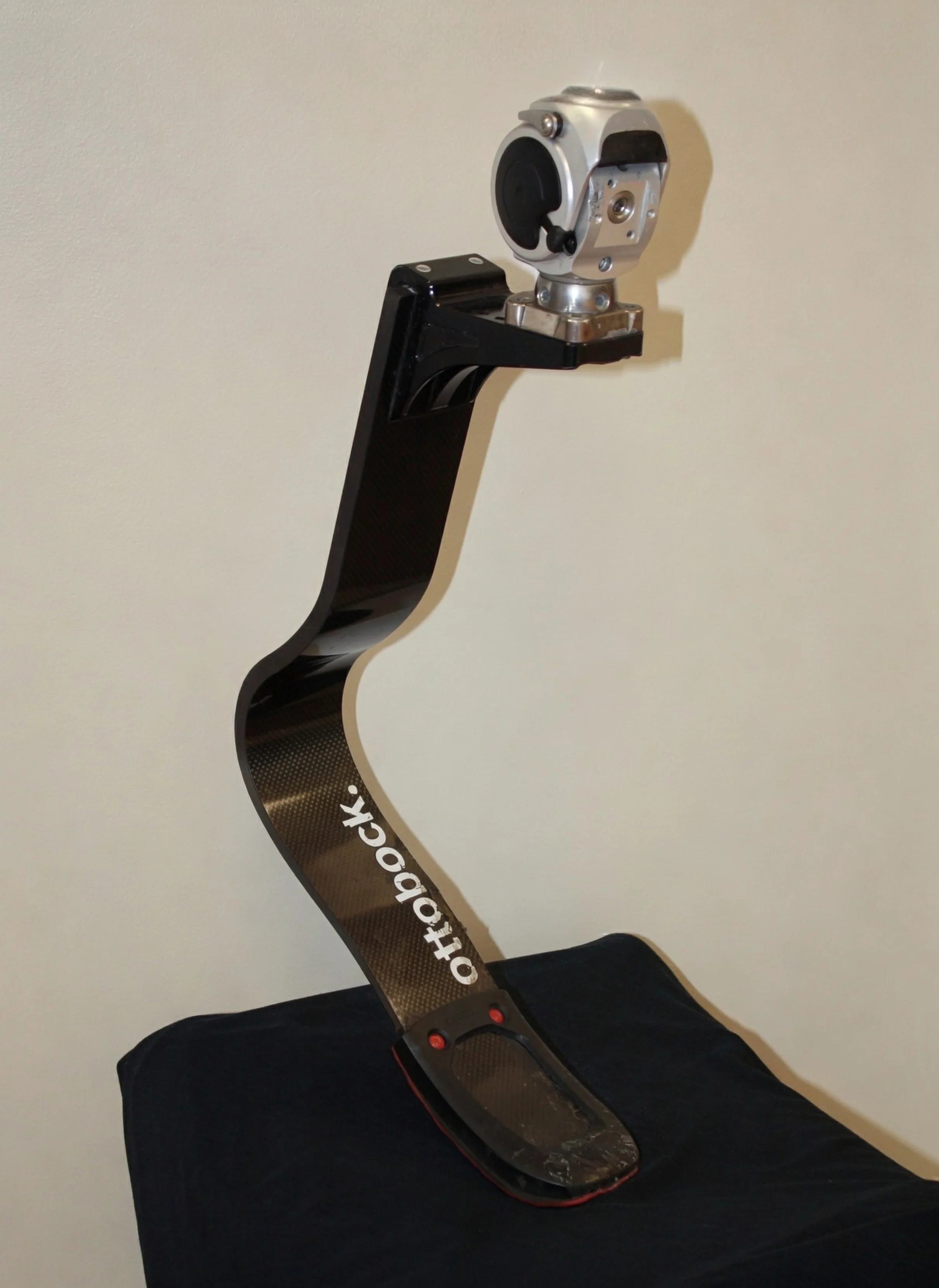
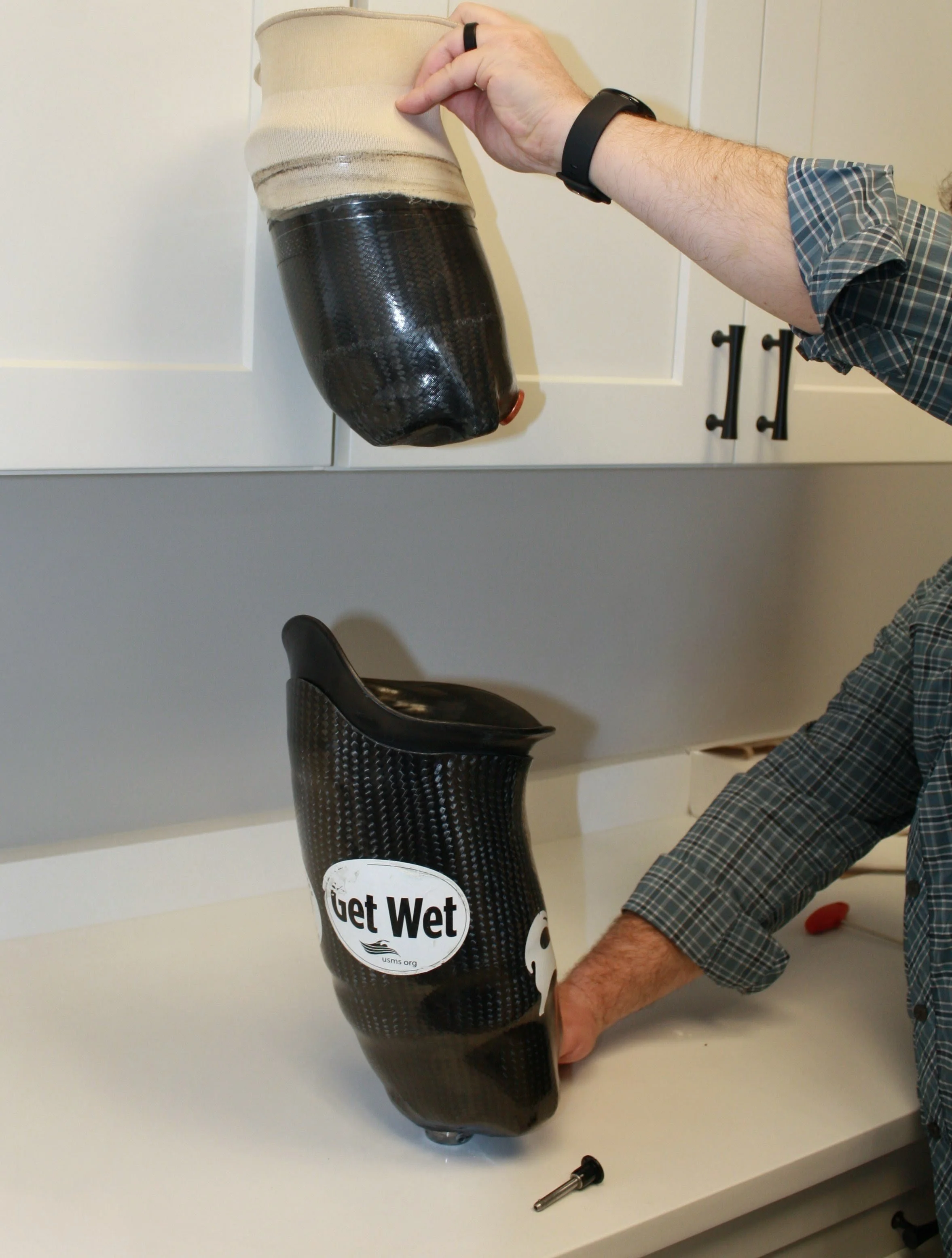
Below the knee sockets range from highly specific pressure application to very broad pressure application. And anywhere in between. You see, parts of the limb are known to accept more pressure than others, and we can take advantage of that when designing your socket. We can also offload troublesome areas, too. What we do depends on your unique limb and what it needs.
Below the Knee Sockets
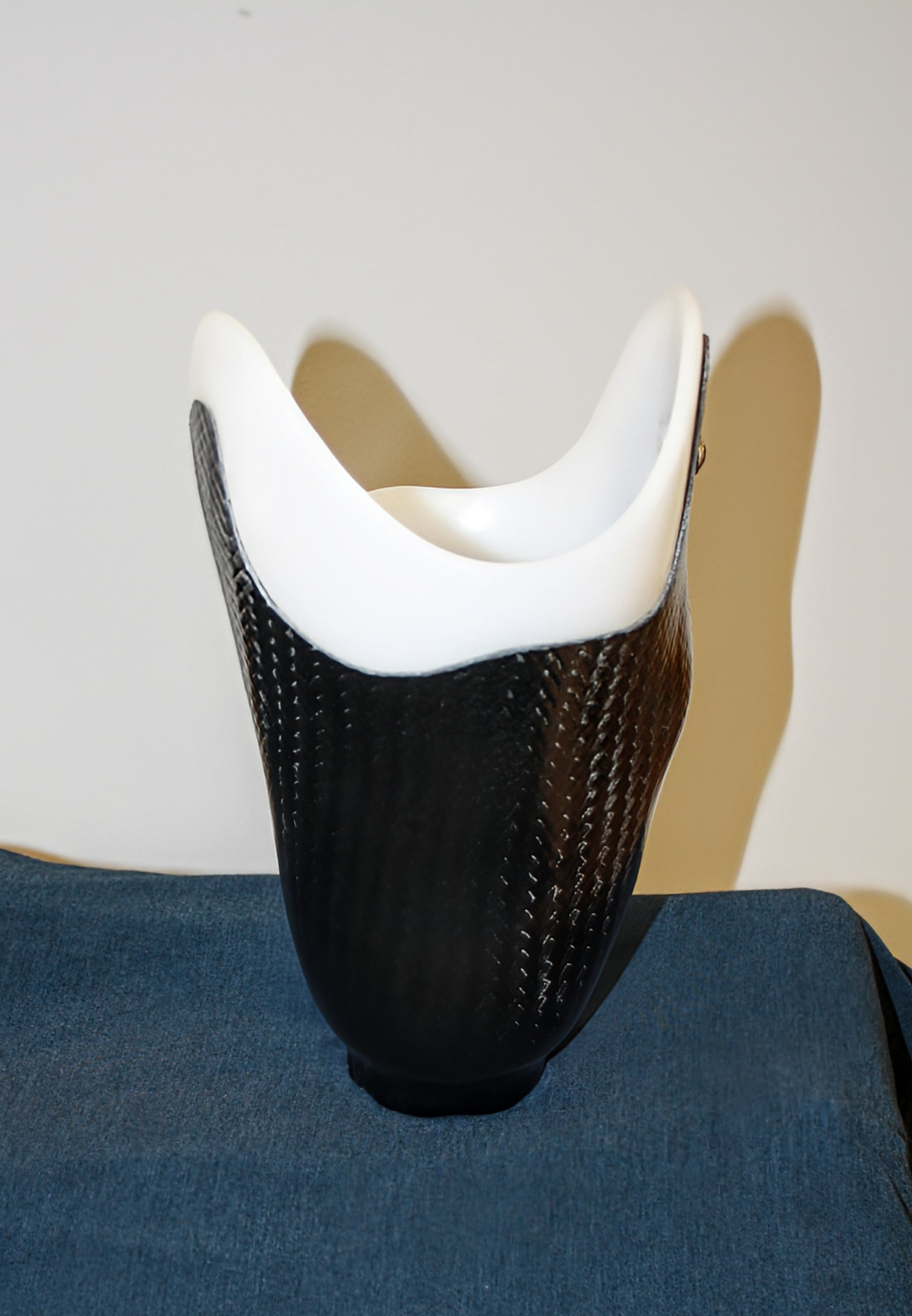
Above the knee sockets are some of the most challenging to create. We have a passion to support these patients. We feel AKs deserve a socket that is comfortable, stays on, doesn’t poke through your clothes, and is aligned to your unique needs. In most cases, we use an ischial containment style socket. This design supports the femur and uses the pelvic bones to stabilize the socket. However, there are situations where a sub-ischial socket is best for the patient.
Above the Knee Sockets
We are trained in MAS, Nu-Flexiv, CAT-CAM, Quad, and John developed another socket style while working at Walter Reed-affectionately called the “Warren Flip”.
Advanced Sockets
Alignment
After we finish making your socket, the next crucial step is alignment. You might be curious about how the prosthetic components are positioned beneath the socket. To ensure your comfort and safety, we use a proven, standardized process for alignment. Proper alignment makes walking feel natural and effortless. On the other hand, poor alignment can cause discomfort, lead to safety issues, and may even harm your body over time.
Unfortunately, alignment is often overlooked, with many sockets simply having everything centered at the bottom. While this approach can work in some cases, it’s not always the best solution for everyone. Our focus is on customizing alignment to fit your unique needs, so you can walk with confidence and ease.